
Meet Jahna Shiovitz, LPC
Atlanta + Decatur Therapist
Jahna is available for virtual and in-person therapy.
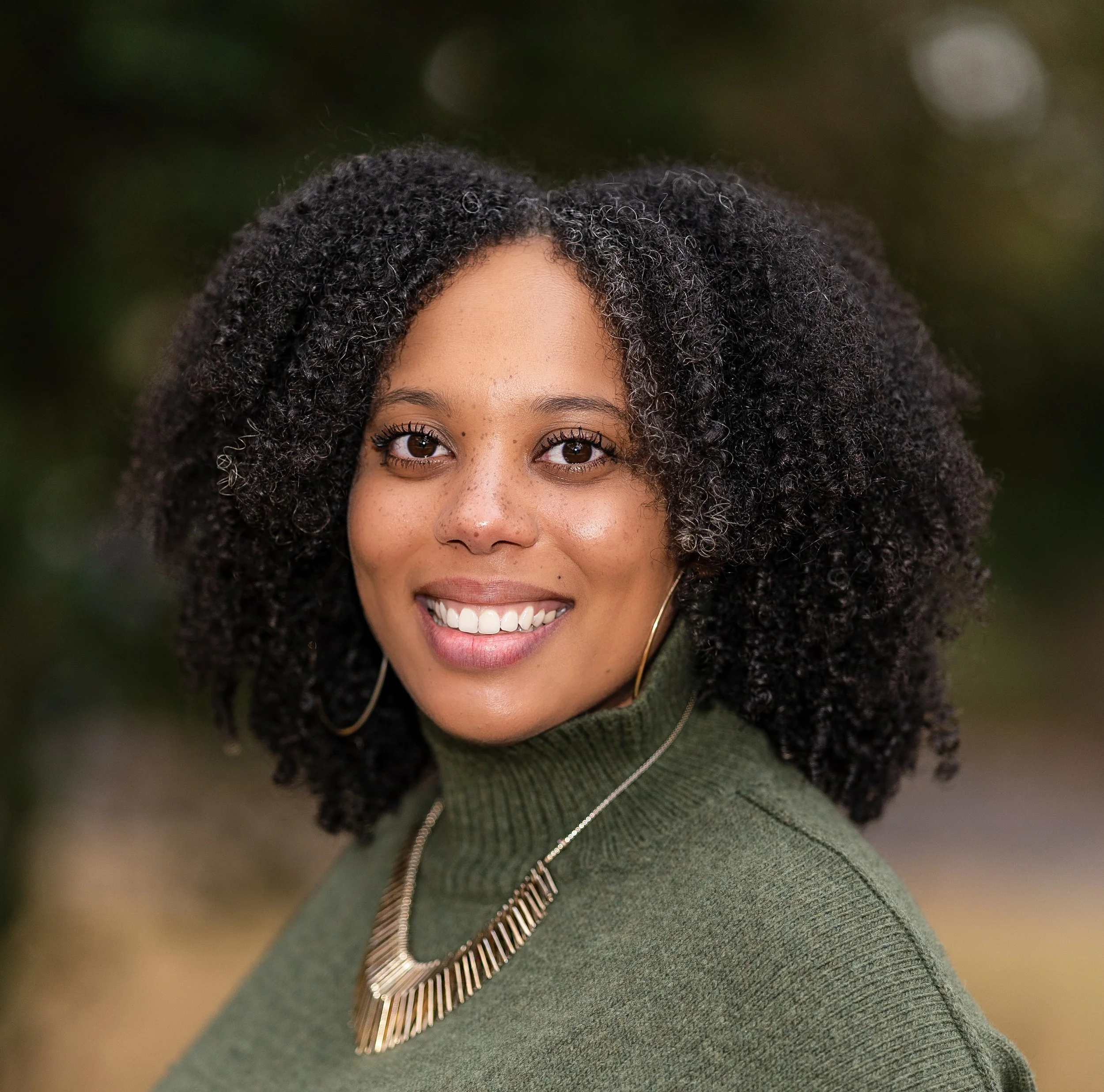
I am a Licensed Professional Counselor in Georgia. I earned my Master of Science in Clinical Mental Health Counseling from Mercer University and began my career working in a residential addiction treatment center.
From there, I moved into intensive day programs before transitioning into private practice. In those early years, I had the privilege of witnessing people do incredibly hard work as they rebuilt their lives, often after years of feeling stuck, exhausted, or like change wasn’t really possible for them

What stood out to me most was the resilience people carry, even when they can’t see it in themselves.
I also came to understand that substance use rarely exists in isolation. It often touches relationships, family, and a person’s sense of who they are. Those years reinforced something I still believe deeply: people have a remarkable capacity for change when they feel genuinely seen and supported. In my practice, I work with individuals and couples navigating anxiety, depression, ADHD, relationship struggles, questions about substance use, and different seasons of life.
The relationship we build together is not just the backdrop for therapy. It is the therapy. Feeling safe enough to be honest, and trusted enough to take emotional risks, is where change really begins. Everyone deserves a space where they feel truly seen and not alone in what they’re carrying.
If anything I’ve shared resonates with you, I would love for you to reach out.
Many of the people I work with come in wanting to better understand themselves, their patterns, their reactions, and why certain things feel so hard to change.
In our work together, we slow things down. We make sense of what’s been happening, look at the patterns that have shaped your experiences, and begin exploring new ways of responding to the challenges you’re facing.
I often draw from Dialectical Behavior Therapy (DBT), which helps people manage overwhelming emotions, handle stress, and respond to difficult moments in ways that actually feel good to them. When working with couples, I use Emotionally Focused Therapy (EFT), which helps partners understand each other more deeply, rebuild trust, and find their way back to connection. I am also completing training in EMDR (Eye Movement Desensitization and Reprocessing), a therapy that helps people work through painful experiences from the past that may still be quietly shaping the present.
In addition to individual and couples therapy, I also enjoy leading process and skills groups. Groups offer something that one-on-one therapy sometimes can’t: the experience of being truly witnessed by others who get it. Many people find real relief in realizing they are far less alone than they thought.